

The Parliamentary Committee on Digital Economy discusses applications of artificial intelligence.
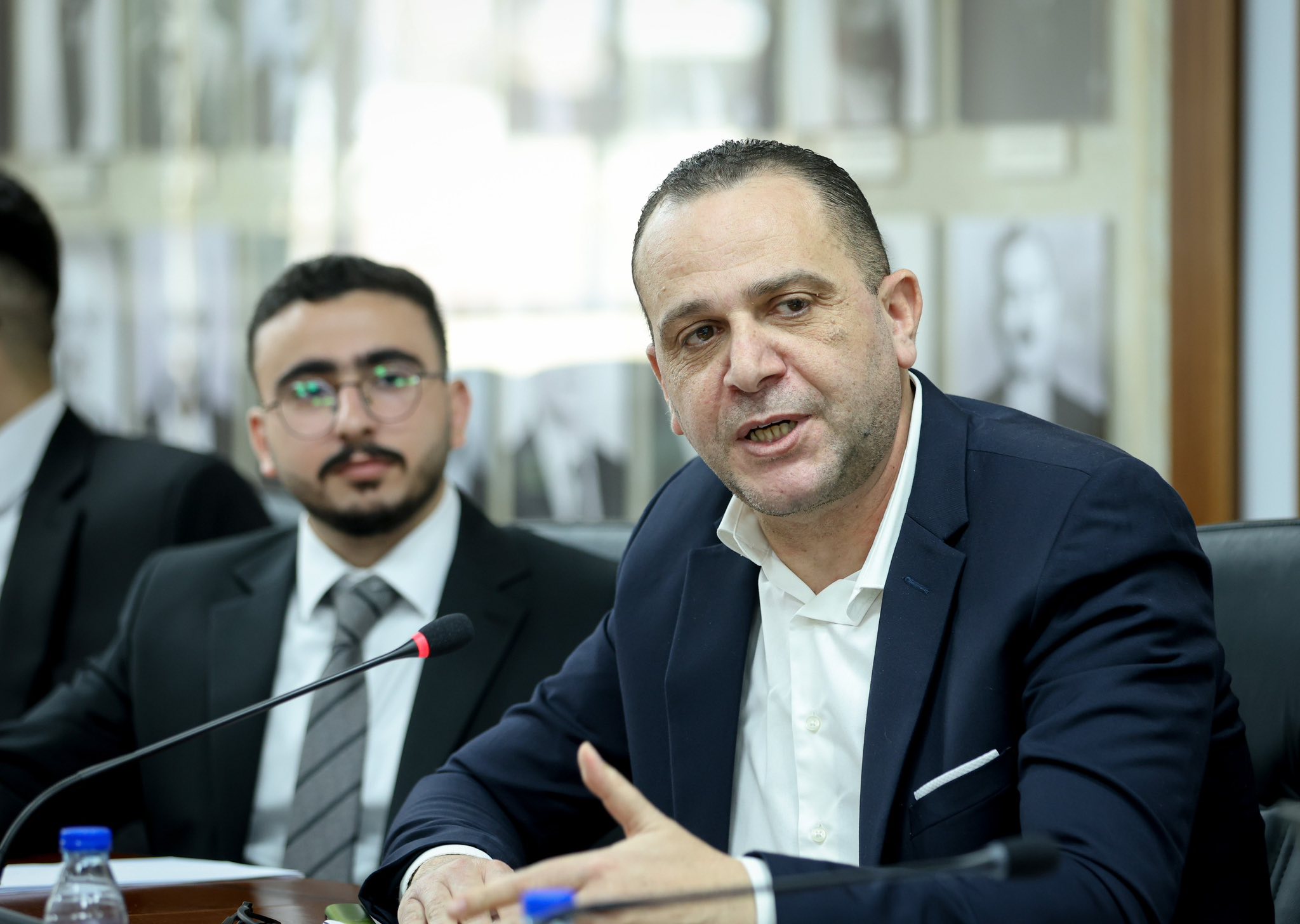
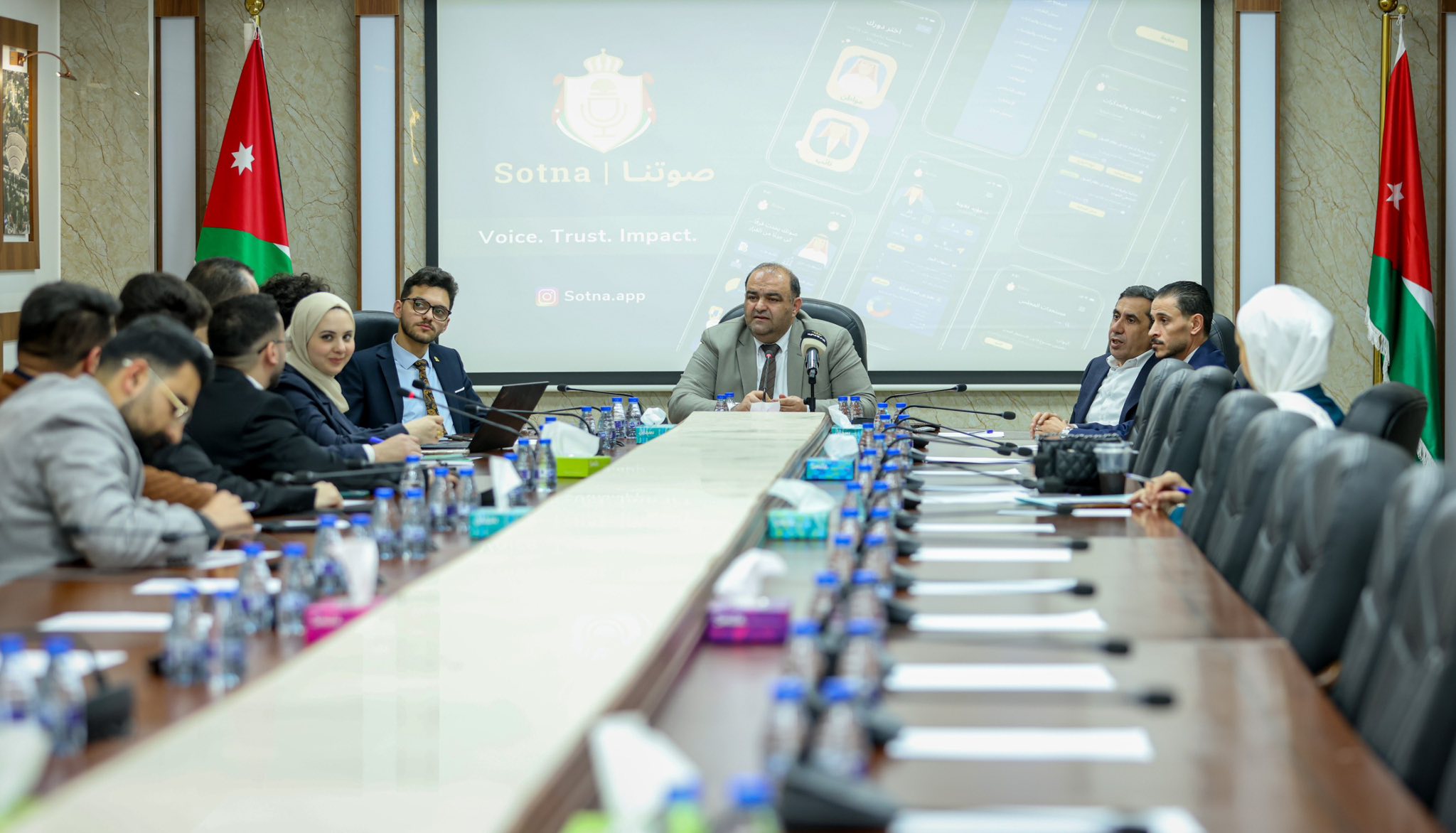
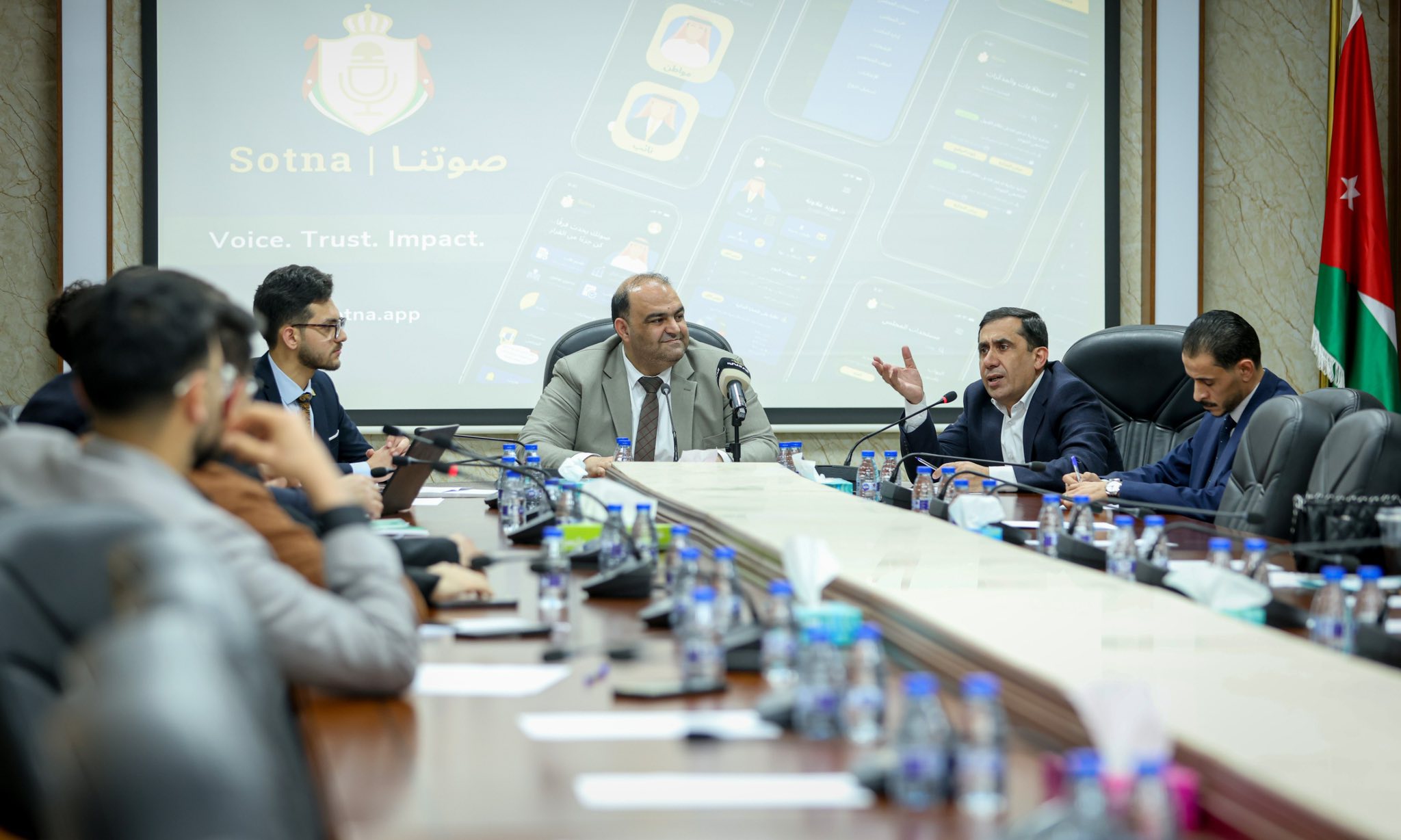
The Digital Economy and Entrepreneurship Parliamentary Committee, chaired by MP Muayad Al-Alaweenah, held a dialog session today, Monday, with academics from Yarmouk University and a number of students to discuss the most prominent applications of artificial intelligence, their development prospects, and their role in supporting entrepreneurship.
Al-Alawneh emphasized the importance of keeping pace with rapid technological transformations, noting the committee's efforts to enhance the environment supporting digital innovation in the Kingdom and to work on overcoming the legislative challenges that entrepreneurs and creative students in this field may face.
Al-Alawna, on behalf of the committee, proposed the establishment of a specialized national platform to provide technical and logistical support for smart applications, which would help identify and guide the developers of these applications. It would serve as a strategic link connecting investors with entrepreneurial projects and services directed at citizens, ensuring easy access and enhancing support for national innovations.
For his part, Deputy Hakem Ma'adat emphasized the importance of the role of academic institutions, foremost among them Yarmouk University, in supplying the market with competencies capable of dealing with future technologies. He stressed that listening to the opinions of youth and academics contributes to shaping a comprehensive national vision for digital transformation.
Ma'adat pointed out the necessity of linking university education outcomes with labor market needs by directing graduation projects to serve as the foundation for practical solutions. He urged students to develop quality applications that meet national needs, particularly in the health sector, such as managing drug warehouses and organizing inventory, which would contribute to enhancing the efficiency of medical supply.
For their part, students and academics presented their proposals on integrating artificial intelligence technologies into productive sectors, emphasizing the importance of supporting research and entrepreneurial projects that serve the national economy.
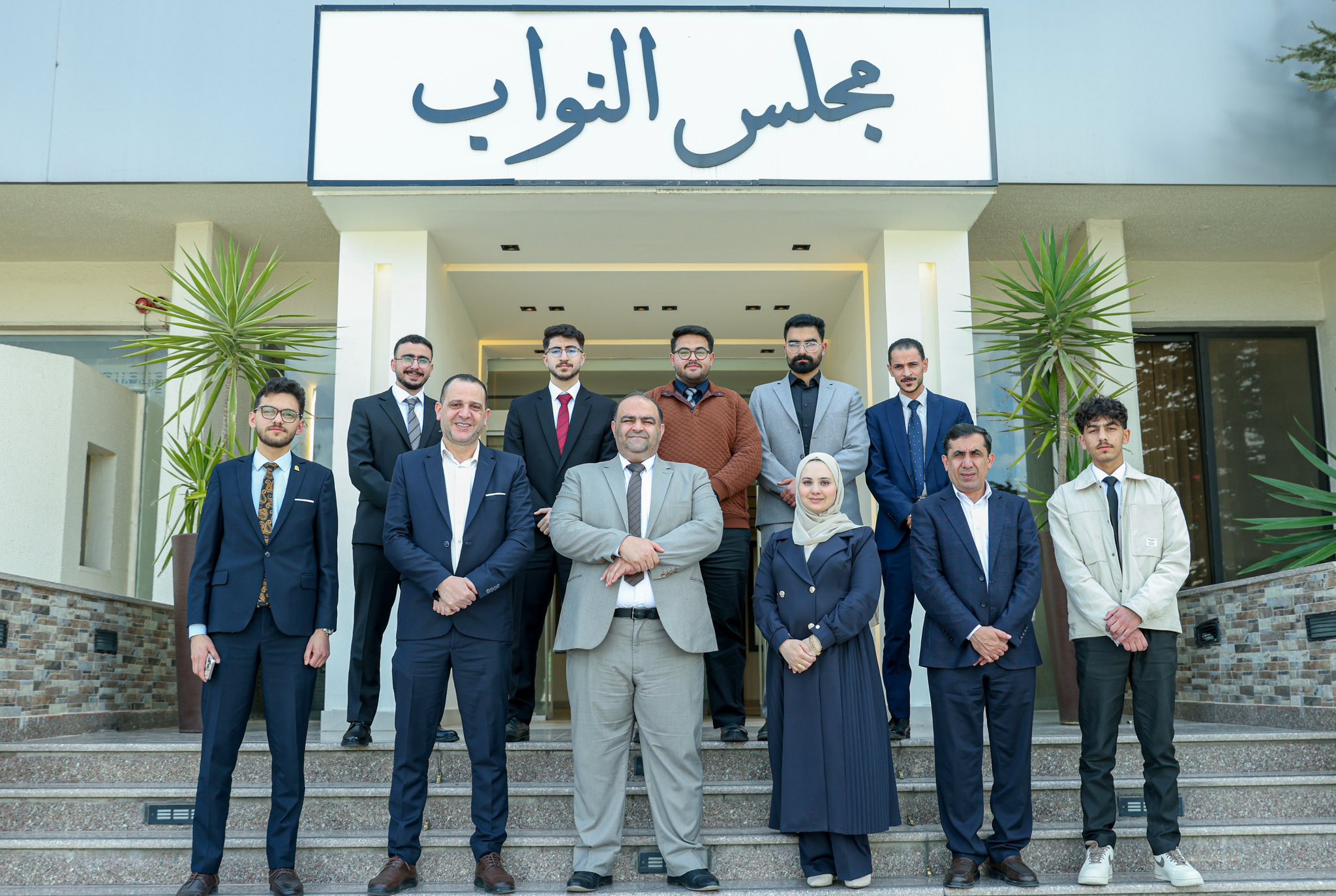
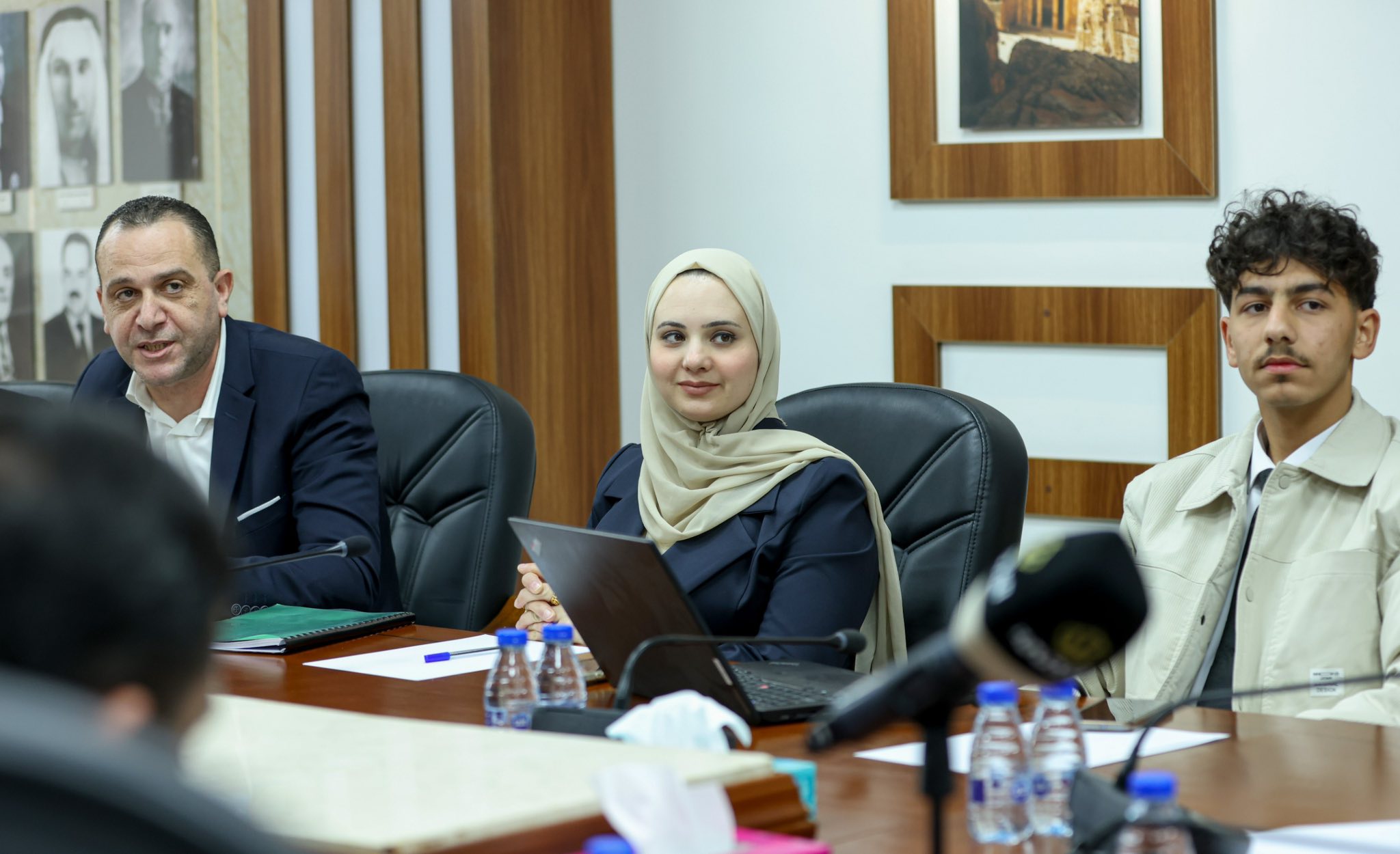
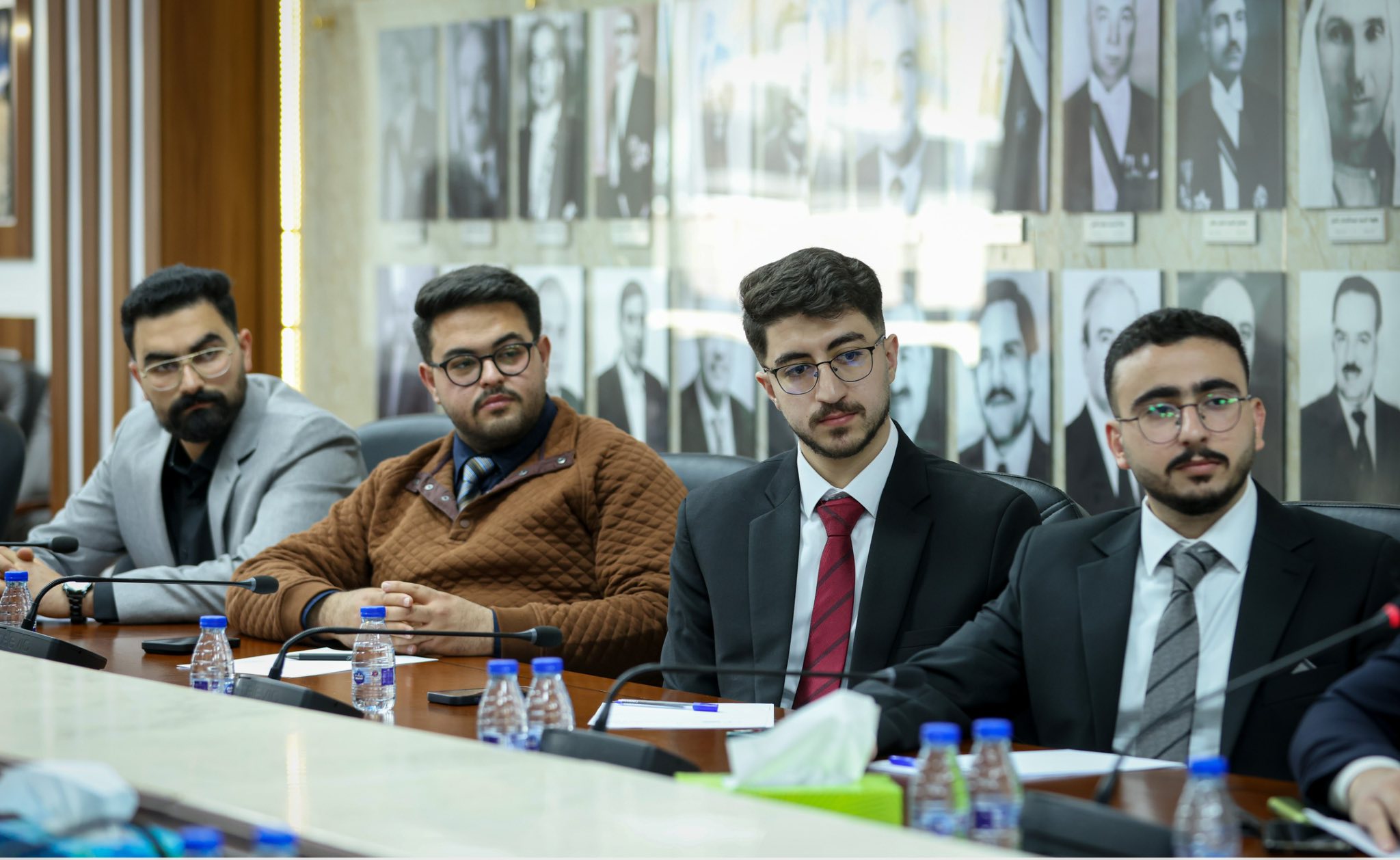
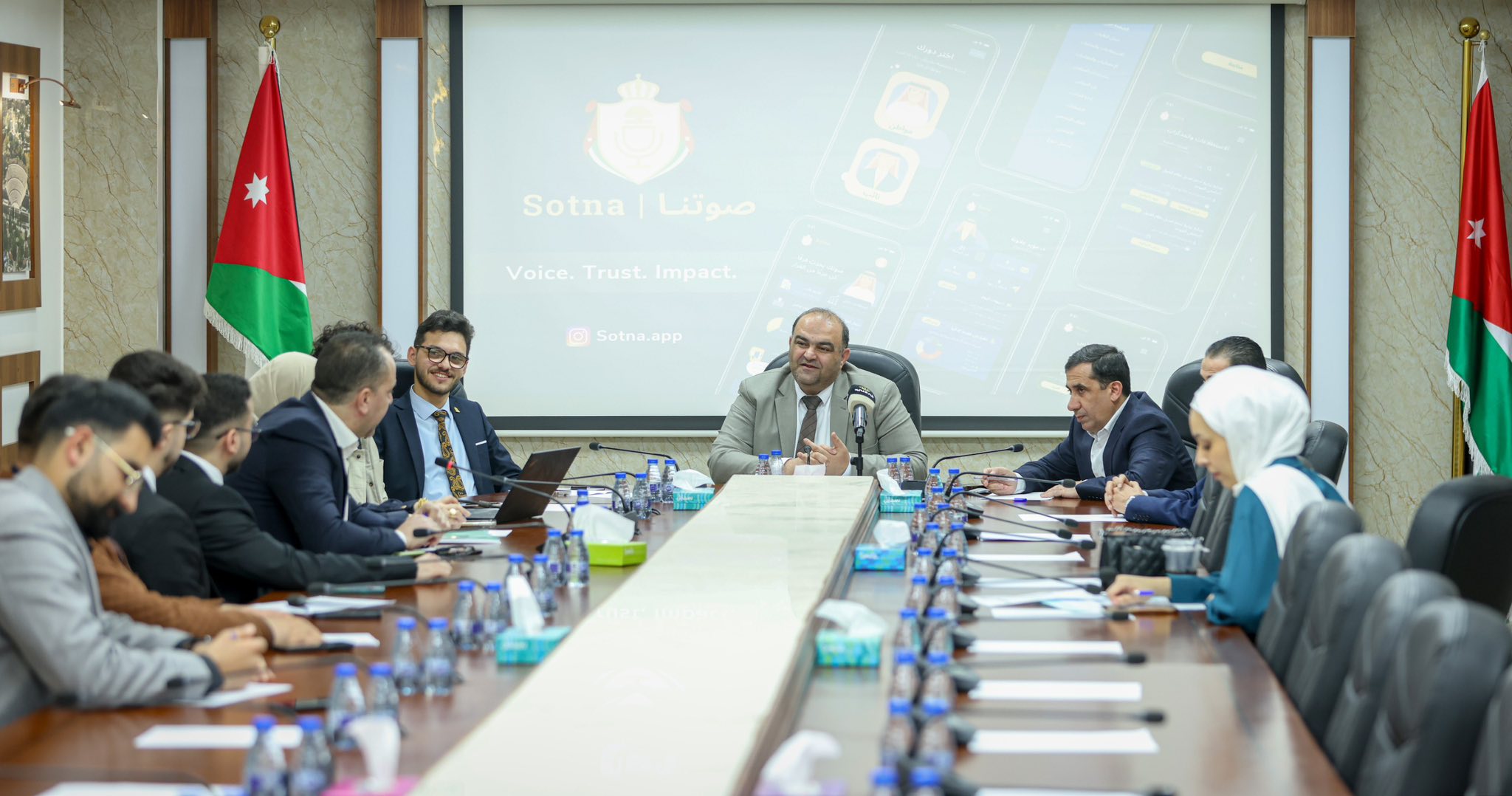
The Digital Economy and Entrepreneurship Parliamentary Committee, chaired by MP Muayad Al-Alaweenah, held a dialog session today, Monday, with academics from Yarmouk University and a number of students to discuss the most prominent applications of artificial intelligence, their development prospects, and their role in supporting entrepreneurship.
Al-Alawneh emphasized the importance of keeping pace with rapid technological transformations, noting the committee's efforts to enhance the environment supporting digital innovation in the Kingdom and to work on overcoming the legislative challenges that entrepreneurs and creative students in this field may face.
Al-Alawna, on behalf of the committee, proposed the establishment of a specialized national platform to provide technical and logistical support for smart applications, which would help identify and guide the developers of these applications. It would serve as a strategic link connecting investors with entrepreneurial projects and services directed at citizens, ensuring easy access and enhancing support for national innovations.
For his part, Deputy Hakem Ma'adat emphasized the importance of the role of academic institutions, foremost among them Yarmouk University, in supplying the market with competencies capable of dealing with future technologies. He stressed that listening to the opinions of youth and academics contributes to shaping a comprehensive national vision for digital transformation.
Ma'adat pointed out the necessity of linking university education outcomes with labor market needs by directing graduation projects to serve as the foundation for practical solutions. He urged students to develop quality applications that meet national needs, particularly in the health sector, such as managing drug warehouses and organizing inventory, which would contribute to enhancing the efficiency of medical supply.
For their part, students and academics presented their proposals on integrating artificial intelligence technologies into productive sectors, emphasizing the importance of supporting research and entrepreneurial projects that serve the national economy.
The students also presented a model for the "Sotna" application, which aims to enhance communication between citizens and representatives. It relies on artificial intelligence technologies to analyze and prioritize requests before directing them to the relevant authorities. Additionally, it provides analytical tools to help track issues and understand the needs of electoral districts, contributing to improving parliamentary efficiency and enhancing responsiveness to citizens' demands.